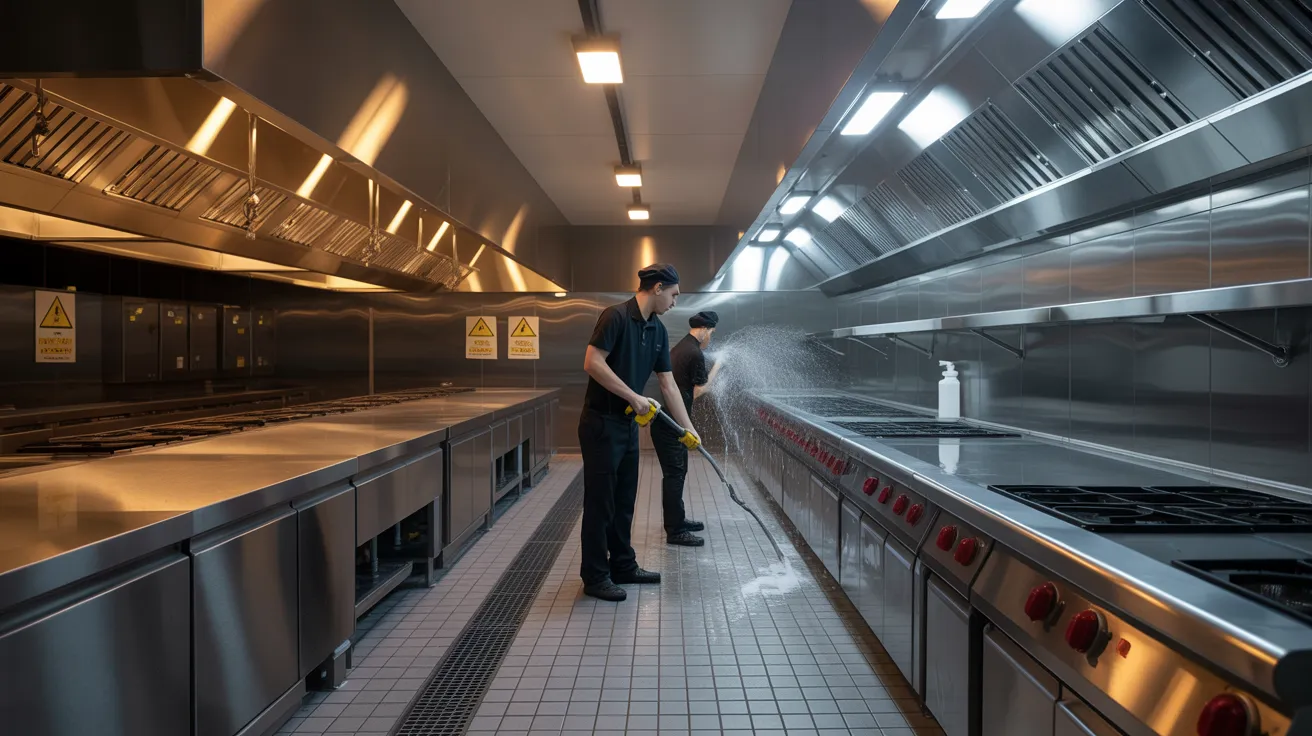
Professional food safety experts located in Brampton ensure restaurants, commissaries, bakeries, warehouses, and mobile food units to sanitation standards. They treat high-touch surfaces, food-contact areas, equipment, floors, drains, restrooms, and food handling areas with certified chemicals, at proper strength, and using documented contact periods.
Essential Summary
- Food safety cleaning specialists in Brampton work with restaurants, grocery departments, commissaries, warehouses, bakeries, schools, mobile vendors, and allergen-sensitive operations.
- Zone-based workflows clean frequently contacted areas, food-contact equipment, kitchens, floors, drains, restrooms, and storage areas for avoiding cross-contamination.
- Logging of finalization through samples, inspections, and corrective-action records validates trained contractors have validated approved sanitizer dilution, alignment, and exposure duration.
- Danger, production volume, transitions, incidents, and regulations must shape sanitation timelines, with routine, periodic, and cyclical duties assigned by area.
- Focus on vendors showing hazard analysis knowledge, health regulatory competency, WHMIS instruction, liability, credentials, colour-coded equipment, and inspection-ready maintenance files.
Food Safety Cleaning Requirements for Brampton Operations
You must adhere to food safety cleaning if your facility is regulated by public health inspection, food premises regulations, or internal HACCP-based controls. This covers dining establishments, employee cafes, distribution hubs, market sections, meat shops, fish stands, retail outlets, and food service kitchens.
You also need proper hygiene cleaning in distribution centers, food processing plants, freezer facilities, commercial bakeries, educational nutrition programs, event spaces, and catering hubs. Portable and seasonal businesses count too, including food trucks, event vendors, and temporary booths. If your staff work with raw supplies, divide prepared foods, warm dishes, or organize allergen inventory, your facility needs recorded sanitation procedures. In Brampton, sanitation isn't optional; it's part of lawful, functional, and customer safety adherence.
What Do Brampton Cleaning Professionals Handle?
Professional cleaning teams specializing in Brampton disinfect high-contact surfaces, kitchen facilities, floors, and restrooms in compliance with food safety regulations. Emphasis on these spaces stems from extreme cross-contamination risk, injury hazards, and possible regulatory violations.
When you know their cleaning scope, you can verify that your facility's cleaning scope meets operational and regulatory requirements.
High-Touch Surface Sterilization
Addressing high-touch surface disinfection is essential for Brampton janitorial experts because these surfaces can distribute harmful organisms and food particles within a facility. You should establish a scheduling system for sterilizing all high-touch items including handles, plates, switches, railings, control surfaces, POS systems, and refrigeration equipment. Applying contact point analysis, teams identify every commonly touched zone and set cleaning intervals
verify that cleaning was successful
Kitchen Areas, Floor Surfaces, and Bathroom Spaces
Brampton cleaning professionals will address kitchens, floors, and restrooms since each space presents different hygiene concerns, slip-and-fall, and public health challenges. In industrial kitchens, you need grease removal from cooking stations, appliance surfaces, drain systems, preparation areas, and backsplashes to reduce bacterial growth and pest activity.
You should also expect documented floor care. is likewise provided as part of the service.
Restroom sanitation involves sanitizing touchpoints, fixtures, partitions, dispensers, and waste containers, replenishing amenities and managing odor. They also maintain restaurant cleaning supply rooms where product storage, sink cleanliness, and drain systems impact daily sanitation standards and worker protection.
Food Safety Cleaning Significance for Brampton Businesses
In Brampton, you must copyright sanitary cleaning practices to satisfy health code requirements and pass inspections. You also reduce bacterial spread through proper cleaning of food-preparation surfaces, appliances, and frequently-touched items. Most importantly, you safeguard public health by lowering the risk of foodborne illness in your facility.
Food Safety Regulations
Because Brampton food businesses operate under mandatory safety protocols, food safety cleaning directly influences your ability to meet health code requirements, safeguard customers, and prevent enforcement action. You must maintain hygienic food handling zones, documented cleaning schedules, appropriate product handling, and traceable training practices that correspond to municipal and provincial inspection expectations.
Keeping comprehensive sanitation documentation demonstrates due diligence for official assessments and demonstrates that your practices are standardized, repeatable, and tracked.
Cross-Contamination Prevention
Meeting health code standards also depends on your ability to prevent cross-contamination during daily food handling and cleaning. You must keep raw items away from prepared dishes, clean work areas after each use, and keep cleaning products separate from food areas. Clear procedures reduce transfer risks and ensure ongoing adherence to health checks.
You could implement allergen segregation to stop main allergens from reaching shared surfaces, containers, or equipment. Apply separate boards, color-marked equipment, and rigorous tool identification so staff don't mix items during preparation or service. Enforce washing hands following raw meat, seafood, eggs, or allergen-containing products. Swap cleaning rags frequently, and test disinfectant concentration using strips. When you train staff to follow these controls every shift, you create a cleaner, safer operation that meets Brampton's food safety expectations every day.
Public Health Safeguarding
When food safety cleaning fails, you don't just risk a failed inspection—you increase the chance of food-related sickness impacting customers, staff, and the wider Brampton community. You also weaken your role in protecting public health, especially in high-traffic food premises where pathogens travel quickly through surfaces, equipment, and touchpoints.
You depend on sanitation protocols that remove soils, properly disinfect, and verify results. This entails adhering to contact periods, utilizing authorized sanitizers, maintaining records, and coaching staff to fulfill health-unit expectations. These actions support pathogen control by suppressing pathogens before affecting food surfaces or hands. In Brampton, robust sanitation shields vulnerable populations, curtails outbreak likelihood, and demonstrates accountability. When you maintain standards, you exceed requirements—you meaningfully lower danger and promote secure food service across the region.
How Can Cleaning Practices Ensure Food Safety Compliance?
Maintaining rigorous cleaning routines supports food safety compliance by decreasing contamination threats, limiting pathogen development, and keeping your facility compliant with sanitation requirements under HACCP-based programs and public health regulations. You verify that food-handling surfaces stay visibly clean and microbiologically controlled, backing documented preventive controls and inspection readiness.
Diligent cleaning additionally enhances allergen management by eliminating residues that can trigger undeclared allergen exposure. When you combine verified sanitation methods with compliance training, your staff can execute standardized methods, handle approved chemicals correctly, update records properly, and handle deviations ahead of problems worsen. Ongoing cleaning facilitates product tracking, confirms corrective actions, and proves accountability during audits. Furthermore, it aids you maintain quality assurance, copyright regulatory compliance, and minimize the risk of punitive measures, market recalls, customer complaints, and preventable public health risks.
What's the Best Time to Schedule Commercial Cleaning?
You'll find the best results from cleaning routines that account for risk, production volume, and regulatory requirements rather than a unchanging calendar system alone.
handled independently
How Do You Choose Brampton Cleaning Experts?
Start by screening providers against food sanitation standards, not price alone. You should verify that each company understands CFIA, public health, and HACCP compliance standards relevant to your facility. Ask for insurance documentation, WHMIS compliance, documented staff training, and supervision practices. Review whether technicians understand contamination prevention, chemical handling, and traceable sanitation records.
You should also assess business dependability and accountability. Request references from food facilities in Brampton, then examine turnaround periods, corrective-action procedures, and communication standards. Confirm the company supports supplier audits and can present inspection-ready documentation when regulators or third parties request evidence. Check whether equipment maintenance is performed, color-coded implements are used appropriately, and facility-specific risks are recognized. A qualified provider protects compliance, product integrity, and your brand reputation.
What's included in a Food Safety Cleaning Plan?
Establish a documented program that establishes every sanitation duty, standard, and accountability ahead of production commencement. You should list cleaning intervals, permitted substances, dilution percentages, exposure times, instruments, and inspection methods for each zone, surface, and piece of equipment. Add pre-operational inspections, corrective actions, and employee training requirements.
Your program should also cover cross-contamination controls, waste handling, pest-prevention measures, and documented schedules for restrooms, drains, floors, and food-contact areas. Explain how you'll keep raw and prepared foods apart, enable ingredient tracking, and maintain accurate allergen labeling through validated cleaning between product changes. You should designate accountability, keep signed records, and compare results against regulatory standards, HACCP controls, and customer requirements. When gaps appear, update procedures immediately and retrain staff.
Popular Inquired Questions
Do cleaning services operate during nighttime hours at Brampton properties?
If you operate controlled facilities, you'll also require records that enable audits and maintain compliance.
Do Brampton cleaning experts provide emergency spill response services?
Yes, you can expect many Brampton cleaning experts to provide hazard containment solutions. They handle hazard containment, assess risks, contain contamination, and begin swift cleanup to minimize risk and operational disruption. You should verify arrival timeframes, training certifications, PPE protocols, and disposal procedures. If your facility must comply with industry standards, choose a provider that documents incidents, follows compliant sanitation standards, and supports audit readiness.
Are eco-friendly disinfectants safe for food-contact surfaces?
Yes, plant-based sanitizers can be appropriate for surfaces contacting food if you pick items marked food-safe and meeting regulatory standards. You should validate contact times, dilution rates, and rinse protocols before use. Many plant based formulas lower chemical hazards, but you still need proof of efficacy against relevant pathogens. To maintain residue free surfaces, you should follow exact manufacturer guidelines and verify the cleaning agent meets relevant food safety standards.
Will maintenance plans adjust for seasonal production changes?
Without question, maintenance plans customize readily for seasonal shifts. Adjust frequencies, staff levels, chemicals, and verification steps to align with operational cycles while sustaining regulatory compliance. Reduce production interruptions by organizing disinfection surrounding production shifts, maximum output, and operational patterns. Also update written procedures, instruction programs, and facility monitoring to capture seasonal hazards, new allergens, or higher contamination levels. Periodic assessments maintain your plan current.
Do commercial cleaning providers coach staff members in sanitation best practices?
Absolutely, commercial cleaners frequently provide staff training on hygiene standards. Your staff receives training on correct chemical handling, dwell times, contamination avoidance, equipment disassembly, and paperwork. They typically align instruction with HACCP, GMP, and CFIA or local public health requirements. Many also perform health inspections to verify compliance, identify gaps, and reinforce corrective actions. This helps you maintain uniform standards, pass inspections, and lower contamination dangers consistently.
Closing Remarks
When you partner with Brampton commercial cleaning and food safety specialists, you aren't merely cleaning—you keep your operation inspection-ready and your protocols practical tips compliant. From processing areas to kitchen spaces, every polished surface and well-kept corner helps reduce pest intrusion and prevent costly setbacks. By scheduling service at the right intervals and following a clear cleaning plan, you safeguard employees, customers, and your brand image. In a strict regulatory setting, sanitary conditions aren't optional—they're part of doing business right.